And yet you still feel like a stranger in your own body.
That disconnect is more common than most wellness content admits. Many women chasing healing focus so heavily on mindset and nutrition that the body itself becomes an afterthought, something to manage rather than a partner in the process.
Bodywork often gets filed under "self-care treat" instead of core wellness infrastructure. But hands-on therapies like myofascial release, Rolfing, and Thai bodywork do something talk therapy and clean eating can't: they meet you in your tissue, your nervous system, your actual physical experience of being alive.
This article breaks down what bodywork really is, the whole-person benefits backed by research, and how to weave it intentionally into a wellness plan that already includes therapy, movement, or spiritual practice.
Key Takeaways
- Bodywork addresses physical, emotional, and energetic patterns simultaneously, not just muscle tightness
- Chronic stress tightens muscles, so releasing that tension supports emotional processing too
- Options span structural work like Rolfing and deep tissue to energetic practices like sound healing and Thai bodywork
- Pairing bodywork with therapy or coaching creates reinforcement between body and mind
- Credentials matter: look for state licensure plus specialty training
What Is Bodywork, and Why Does It Belong in a Holistic Wellness Plan?
Bodywork is an umbrella term for hands-on and movement-based therapies that work directly with muscle, fascia, and the nervous system. Think massage, myofascial release, Rolfing, Thai bodywork, and craniosacral therapy.
Integrative bodywork therapy takes this further. Rather than isolating one symptom, it blends multiple manual techniques and philosophies to address physical tension, emotional stress, and energetic imbalance at the same time.
Spa Treatment vs. Wellness Pillar
There's a real difference between booking a massage because your shoulders hurt and building bodywork into a deliberate wellness practice alongside nutrition, therapy, and spiritual work.
- Standalone spa treatment: One-off, symptom-focused, transactional
- Wellness plan component: Recurring, integrated with other modalities, tracked over time
The Science Behind Stored Tension
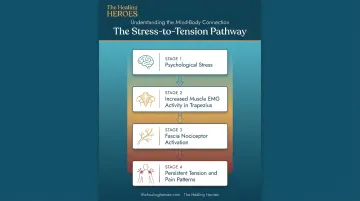
The "trauma lives in the body" idea gets thrown around loosely, but there's real physiology underneath it. Psychological stress increases EMG activity in the trapezius muscles, meaning your shoulders genuinely tense under emotional load, not just physical strain.
Chronic stress can lead to persistent muscle tension linked to neck and back pain, according to Mayo Clinic. Fascia itself contains nociceptors and sympathetic nerve fibers, meaning stress can worsen myofascial pain patterns at a tissue level.
That said, the research supports physiological embodiment of stress. It doesn't prove trauma is literally stored in fascia the way some wellness spaces claim. The honest version: your body responds to stress in measurable ways, and bodywork addresses that response directly.
Practitioners in Healing Heroes' own network describe this same connection between physiology and lived experience. Moylan Ryan, a somatic therapist and Certified Rolfer®, sees Rolfing as reshaping both neural and fascial plasticity, treating structural realignment as connected to psychological resilience.
Karen Remele offers a similar view from a different angle. After 25 years practicing John F. Barnes Myofascial Release, following her own recovery from Cervical Myofascial Pain Syndrome, she works from the understanding that fascia restrictions can create both physical and emotional imbalances.
The Whole-Person Benefits of Bodywork
Physical Benefits
Bodywork's most obvious wins are physical: pain relief, better circulation, improved range of motion.
- Massage reduces delayed-onset muscle soreness and markers like creatine kinase after intense exercise
- Regular sessions can improve flexibility and joint mobility over time
- Circulation effects are more mixed than marketing suggests. One study found massage impeded post-exercise blood flow, while another found increased local flow
A 2024 evidence map found most conclusions on massage for pain relief are low or very low certainty. That doesn't mean it doesn't work. It means the science is still catching up to what practitioners see clinically every day.
Mental & Emotional Benefits
This is where bodywork starts doing double duty. Therapeutic massage significantly reduced anxiety scores in patients with generalized anxiety disorder, and a five-week massage protocol improved both anxiety and depression in fibromyalgia patients, according to the National Center for Complementary and Integrative Health.
Older research suggested massage lowers cortisol while boosting serotonin and dopamine. More recent quantitative reviews found these effects less consistent than once believed. What's clear: many clients report genuine emotional release during sessions.
Crying on the table isn't unusual. It's a normal part of the nervous system processing stored tension, not a sign something's wrong.
Spiritual & Energetic Benefits
That emotional release often opens the door to something deeper. Some modalities lean less structural and more energetic. Thai bodywork, sound healing, and energy work fall here.
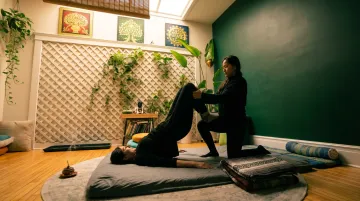
Nicole Kim, a Thai bodywork and sound healing practitioner featured on The Healing Heroes podcast, blends yoga, Thai massage, and sound healing in her practice. She describes weaving these ancient practices together to help clients restore both body and spirit. That combination speaks to something many clients want but rarely name directly: groundedness. A felt sense of being present in your own skin, connected to something beyond the physical.
Popular Integrative Bodywork Techniques and Modalities
Practitioners rarely stick to one rigid modality. Most blend techniques based on what your body tells them, both verbally and through physical cues.
| Technique | What It Does |
|---|---|
| Swedish massage | Gentle kneading and rubbing to relax soft tissue and calm the nervous system |
| Deep tissue | Firm, slow pressure targeting deeper muscle and tendon layers |
| Myofascial release | Sustained pressure on fascia to release connective tissue restrictions |
| Craniosacral therapy | Extremely light touch around head, neck, and spine to ease tension |
| Thai massage | Passive stretching and assisted yoga-like movement, done fully clothed |
| Rolfing | Structural integration, typically a 10-session series to realign the body in gravity |
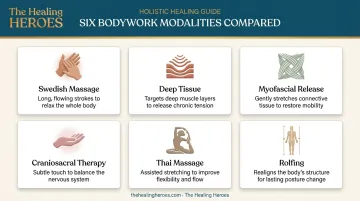
These modalities generally fall into two camps:
- Physical and structural: Rolfing, deep tissue, myofascial release
- Energetic and emotional: Reiki-infused massage, sound healing, craniosacral work
A well-rounded wellness plan often draws from both, depending on what season of life you're in.
These distinctions come up often on The Healing Heroes podcast, where practitioners walk listeners through the reasoning behind their methods in plain language, not clinical jargon.
The 5 Elements of a Wellness Massage or Bodywork Session
A session becomes "wellness" work, not just muscle manipulation, when it deliberately combines five elements:
- Setting and environment – lighting, temperature, and quiet that let your nervous system actually downshift
- Breathwork – guided or natural breathing that deepens relaxation and signals safety to the body
- Touch and pressure technique – matched to your goals, whether that's deep release or gentle calming
- Intention-setting – naming what you want from the session before it starts, physically or emotionally
- Aftercare and integration – time afterward to notice shifts, hydrate, and let the body settle
This five-elements framework is a widely used informal model in the wellness industry, not a formally established clinical standard, but it gives you language to advocate for yourself. Telling a practitioner "I want to focus on breath and less on deep pressure today" gets you a session built for that day, not a generic default. Practitioners like Nicole Kim, who blends Thai bodywork with sound and energy work, often shape sessions around exactly this kind of upfront intention.
Weaving Bodywork Into Your Broader Wellness Plan
Bodywork works best as one piece of a larger ecosystem, not a solo fix. That ecosystem might include talk therapy or EMDR, movement practices like yoga, mindset coaching, or spiritual exploration.
Trauma-informed talk therapy alongside bodywork is one practical pairing. Therapists like Jennifer Baumgold, LCSW, who specializes in EMDR, work with clients to reprocess traumatic memories cognitively, while body-based sessions support physical release. Each approach reinforces the other.
Research supports the broader approach: body- and movement-oriented interventions showed a medium effect size for PTSD symptom reduction. Direct studies combining massage specifically with EMDR remain limited, but the underlying logic, addressing trauma cognitively and somatically, has solid backing.
Timing and Sequencing
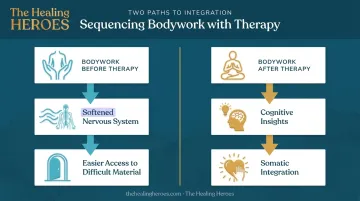
There's no single right order:
- Bodywork before therapy softens the nervous system, making it easier to access difficult material
- Bodywork after therapy helps integrate insights into the body, turning cognitive breakthroughs into felt experience
Try both and notice which feels more useful for where you are right now. Once you find a sequence that works, the next step is simply building it into a sustainable rhythm.
Starting Small
You don't need to overhaul your routine overnight to see benefits.
- Add one bodywork session monthly alongside an existing practice, meditation, journaling, or coaching
- Track shifts in mood, pain, and overall well-being over 4 to 6 weeks
- Adjust frequency based on what you notice, not what a generic plan says you should do
Expert-led conversations, like those on The Healing Heroes podcast, offer real client scenarios showing how practitioners across disciplines actually combine these approaches in practice.
Choosing the Right Bodywork Practitioner for Your Journey
Credentials matter more than marketing language. Here's what to check:
- State-issued licenses, such as LMT (Licensed Massage Therapist) or PTA/L, showing they meet regulatory standards
- Specialty certifications from recognized institutions, like the Dr. Rolf Institute for Rolfing or John F. Barnes training for myofascial release
- National board certification where relevant, such as NCBTMB for massage therapists
- Years of hands-on experience, especially with your specific goal, whether that's pain management or emotional release
Beyond paperwork, rapport matters just as much. You need to feel safe enough to say "please ease up" or "I need to talk less today." A practitioner who welcomes that feedback is doing it right.
Finding the right fit is rarely instant. It's normal to try a few practitioners or modalities before landing on what actually works for this season of your healing. Hearing practitioners describe their own approach, like Certified Rolfer Moylan Ryan discussing structural integration or MFR therapist Karen Remele explaining myofascial release on The Healing Heroes podcast, can help you gauge whether a modality or style resonates before you book a session.
Frequently Asked Questions
What is integrative bodywork therapy?
Integrative bodywork therapy is a whole-person approach that combines manual and energetic techniques. It addresses physical, emotional, and spiritual balance together, rather than treating symptoms in isolation.
What are integrative bodywork techniques?
Common techniques include Swedish massage, deep tissue, myofascial release, craniosacral therapy, Thai massage, and energy work. Practitioners often blend several within a single session.
What are the 5 elements of wellness massage?
Setting and environment, breathwork, touch and pressure technique, intention-setting, and aftercare or integration. Combined, these elements shape a single massage into a complete wellness experience.
How often should I get bodywork done as part of a wellness routine?
It depends on your goals. Acute pain may call for weekly sessions initially, while general stress management and maintenance often works well on a monthly schedule.
Can bodywork help with trauma or emotional healing, not just physical pain?
Tension and stress show up physically, so bodywork can support emotional processing. It works best alongside trauma-informed therapy, not as a replacement for it.
Is bodywork meant to replace medical or mental health treatment?
No. Bodywork is a complementary practice designed to work alongside conventional medical and mental health care, not substitute for it.